


How well do anti-counterfeiting labels withstand light and weather?
Release Time : 2025-12-09
In the realm of high-end goods, important certificates, and luxury packaging, anti-counterfeiting labels are not only guardians of brand security but also visual credentials of consumer trust. However, these labels are often exposed to complex environments for extended periods—direct sunlight, high temperatures and humidity, rain and wind erosion, and even frequent human touch. Therefore, their light and weather resistance becomes a key indicator of the durability of anti-counterfeiting effectiveness. If materials or inks fade, deteriorate, or fail rapidly under light or weather conditions, even the most sophisticated anti-counterfeiting designs will be rendered ineffective.
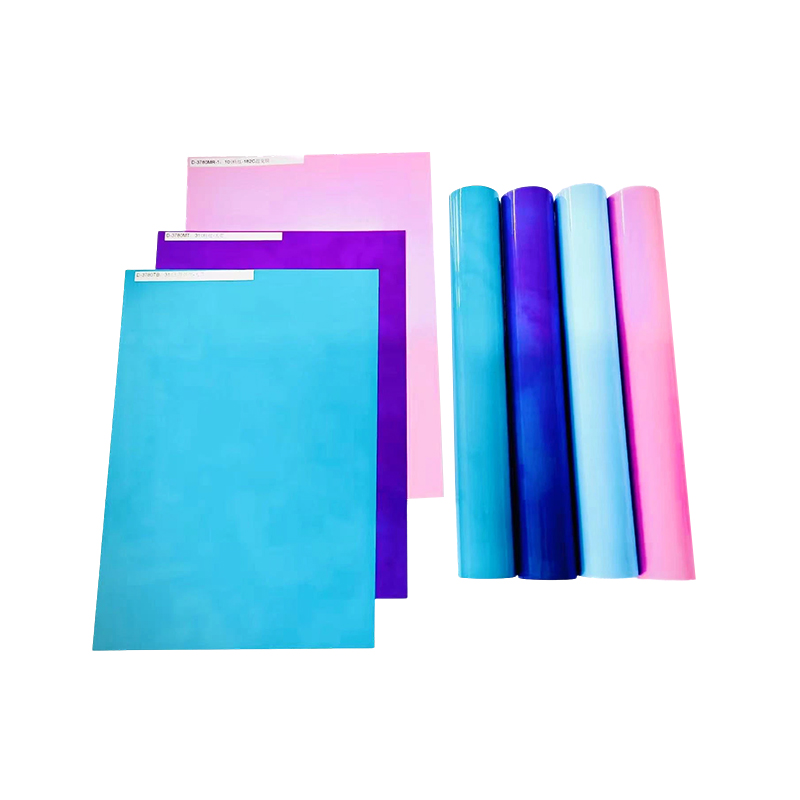
Modern high-security anti-counterfeiting labels, such as those using optically variable inks, microstructure textures, and positive/negative customization technologies, typically undergo systematic enhancements in light and weather resistance. Firstly, optically variable inks, as a core anti-counterfeiting element, rely on multi-layer thin-film interference or liquid crystal structures to regulate light. High-quality inks incorporate UV stabilizers and weather-resistant resin matrices during the formulation stage, ensuring that the color-changing effect remains vivid and responsive even under prolonged sunlight exposure. Even after months or longer of outdoor display, its optical properties remain stable, without fading or dulling due to UV degradation.
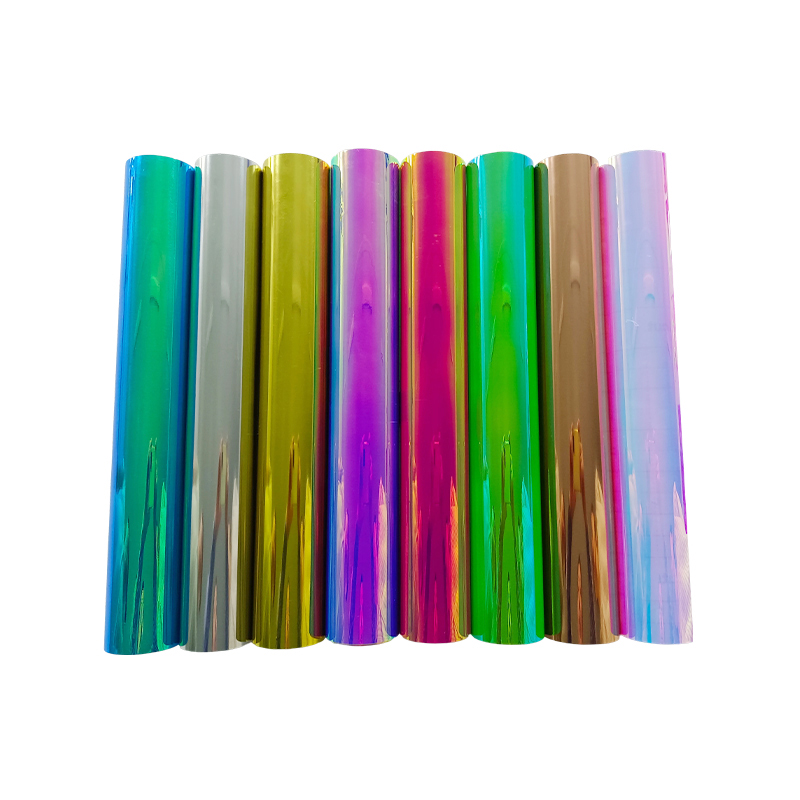
Secondly, microstructural textures (such as laser holography and nano-embossing) are typically imprinted onto polymer films or metallized coatings. These structures do not rely on dyes for color development but rather regulate the light path through physical morphology, thus possessing inherently excellent resistance to fading. As long as the surface protective layer (such as a transparent, wear-resistant coating) remains intact, the microstructure is not easily damaged by environmental factors. High-end labels also have an outermost layer of UV-resistant varnish or hardening film, preventing scratch damage and blocking UV penetration, further extending the lifespan of the optical effect.
Furthermore, the hidden information retained on the underlying layer after peeling (such as the word "VOID" or a unique code) is often formed by the reaction of a special adhesive with the underlying material. Its revealing mechanism is based on physical peeling rather than chemical development. This means that once the information is generated, its form is fixed and unaffected by subsequent light or humidity. Even if the label is placed near a window or in a display case for a long time, the remaining characters remain clearly legible, ensuring the reliability of secondary verification.
Of course, weather resistance is also closely related to the choice of substrate. High-quality anti-counterfeiting labels often use engineering films such as polyester (PET) and polypropylene (PP) as carriers. These materials themselves have low water absorption, high dimensional stability, and excellent anti-aging properties. In contrast, ordinary paper-based labels are prone to curling and mildew in humid environments, making them unsuitable for high-end applications. The multi-layered design of composite structures can also effectively isolate external moisture and oxygen, protecting the internal functional layers.
Furthermore, the curing and encapsulation processes in the production process are equally crucial. Inks and coatings need to undergo sufficient thermal curing or UV cross-linking to form a dense network structure, preventing the migration or volatilization of small molecule additives. Edge sealing also prevents moisture from seeping in from the sides, avoiding interlayer peeling.
Nevertheless, extreme environments can still pose challenges. For example, prolonged exposure to strong ultraviolet radiation in the desert, or repeated freeze-thaw cycles, will cause any material to reach its aging limit. Therefore, responsible anti-counterfeiting label suppliers typically conduct accelerated aging tests according to international standards (such as ISO 4892 and ASTM G154) to simulate years of outdoor exposure, ensuring that the product's performance does not degrade during its typical usage cycle.
In summary, the light and weather resistance of high-quality anti-counterfeiting labels is not accidental, but rather the result of the synergistic effect of materials science, optical engineering, and precision manufacturing. It makes the anti-counterfeiting function not only "effective for a short time" but also "reliable for a long time," consistently protecting brand value and consumer rights under the test of time and environment. This is why these labels can be confidently affixed to fine wine bottles, luxury handbags, or important documents, silently but firmly declaring: genuine products withstand the test of time.
Modern high-security anti-counterfeiting labels, such as those using optically variable inks, microstructure textures, and positive/negative customization technologies, typically undergo systematic enhancements in light and weather resistance. Firstly, optically variable inks, as a core anti-counterfeiting element, rely on multi-layer thin-film interference or liquid crystal structures to regulate light. High-quality inks incorporate UV stabilizers and weather-resistant resin matrices during the formulation stage, ensuring that the color-changing effect remains vivid and responsive even under prolonged sunlight exposure. Even after months or longer of outdoor display, its optical properties remain stable, without fading or dulling due to UV degradation.
Secondly, microstructural textures (such as laser holography and nano-embossing) are typically imprinted onto polymer films or metallized coatings. These structures do not rely on dyes for color development but rather regulate the light path through physical morphology, thus possessing inherently excellent resistance to fading. As long as the surface protective layer (such as a transparent, wear-resistant coating) remains intact, the microstructure is not easily damaged by environmental factors. High-end labels also have an outermost layer of UV-resistant varnish or hardening film, preventing scratch damage and blocking UV penetration, further extending the lifespan of the optical effect.
Furthermore, the hidden information retained on the underlying layer after peeling (such as the word "VOID" or a unique code) is often formed by the reaction of a special adhesive with the underlying material. Its revealing mechanism is based on physical peeling rather than chemical development. This means that once the information is generated, its form is fixed and unaffected by subsequent light or humidity. Even if the label is placed near a window or in a display case for a long time, the remaining characters remain clearly legible, ensuring the reliability of secondary verification.
Of course, weather resistance is also closely related to the choice of substrate. High-quality anti-counterfeiting labels often use engineering films such as polyester (PET) and polypropylene (PP) as carriers. These materials themselves have low water absorption, high dimensional stability, and excellent anti-aging properties. In contrast, ordinary paper-based labels are prone to curling and mildew in humid environments, making them unsuitable for high-end applications. The multi-layered design of composite structures can also effectively isolate external moisture and oxygen, protecting the internal functional layers.
Furthermore, the curing and encapsulation processes in the production process are equally crucial. Inks and coatings need to undergo sufficient thermal curing or UV cross-linking to form a dense network structure, preventing the migration or volatilization of small molecule additives. Edge sealing also prevents moisture from seeping in from the sides, avoiding interlayer peeling.
Nevertheless, extreme environments can still pose challenges. For example, prolonged exposure to strong ultraviolet radiation in the desert, or repeated freeze-thaw cycles, will cause any material to reach its aging limit. Therefore, responsible anti-counterfeiting label suppliers typically conduct accelerated aging tests according to international standards (such as ISO 4892 and ASTM G154) to simulate years of outdoor exposure, ensuring that the product's performance does not degrade during its typical usage cycle.
In summary, the light and weather resistance of high-quality anti-counterfeiting labels is not accidental, but rather the result of the synergistic effect of materials science, optical engineering, and precision manufacturing. It makes the anti-counterfeiting function not only "effective for a short time" but also "reliable for a long time," consistently protecting brand value and consumer rights under the test of time and environment. This is why these labels can be confidently affixed to fine wine bottles, luxury handbags, or important documents, silently but firmly declaring: genuine products withstand the test of time.